
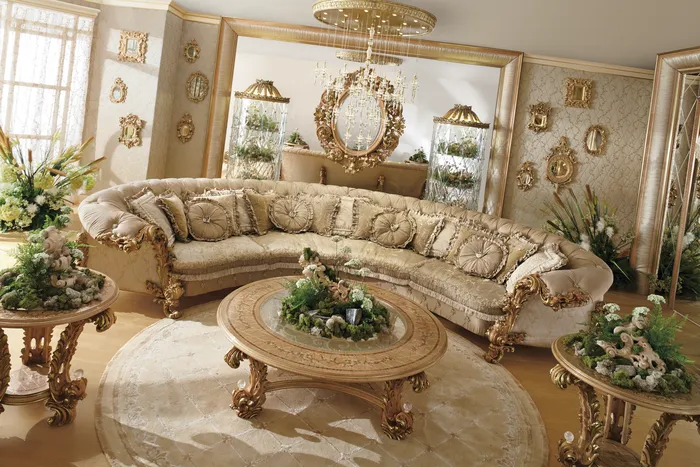
Italian furniture design has long been synonymous with luxury, artistry, and impeccable craftsmanship. From the ornate palaces of Renaissance Florence to the sleek modern apartments of Milan, Italian furniture represents the perfect balance between tradition and innovation. Every curve, texture, and material used tells a story of heritage, creativity, and an enduring passion for beauty.
In a world where design trends change rapidly, Italian furniture stands apart for one simple reason — it is timeless. It captures the essence of sophistication without ever feeling outdated. Let’s explore what makes Italian furniture so special, how it has evolved, and why it continues to define elegance in homes around the world.
A Legacy of Craftsmanship and Art
The roots of Italian furniture design stretch deep into history. During the Renaissance period, Italy became the center of art, architecture, and design innovation. Master artisans like Michelangelo and Leonardo da Vinci influenced not only sculpture and painting but also furniture craftsmanship.
Furniture from this era was characterized by intricate carvings, rich wood tones, and gold leaf embellishments — all handcrafted with precision. These pieces weren’t merely functional; they were works of art meant to express status, culture, and individuality.
As centuries passed, Italian designers maintained this devotion to artistry, adapting it to contemporary aesthetics. Even modern Italian furniture retains that same DNA of fine detail and masterful execution, whether it’s carved by hand or produced using advanced machinery.
Blending Tradition with Modern Innovation
What truly sets Italian furniture apart is its ability to merge tradition with modern design. Italian designers understand how to preserve classical elegance while embracing new materials, technologies, and lifestyles.
Take brands like Poliform, Cassina, B&B Italia, and Minotti — they exemplify this fusion. Their designs showcase minimalism and functionality but never sacrifice emotion or sophistication. A sleek Italian sofa might feature modular components for modern living, yet its silhouette and stitching reveal old-world craftsmanship.
This balance is the hallmark of Italian design: innovation rooted in heritage. It’s why Italian furniture feels fresh and forward-thinking, yet still warm and timeless.
Materials That Speak Luxury
Italian furniture design gives great importance to the choice of materials. Each material — whether wood, marble, leather, or metal — is selected not just for durability but also for how it feels, reflects light, and ages over time.
-
Leather: Italian leather is world-renowned for its softness, texture, and natural beauty. It’s often hand-dyed and treated to develop a rich patina, used in sofas, chairs, and headboards.
-
Wood: From walnut and oak to exotic veneers, wood in Italian furniture is treated with precision. The natural grain is highlighted, not hidden.
-
Marble: Particularly from Carrara and Calacatta, marble brings an instant sense of prestige. It’s frequently used in tabletops, consoles, and accent pieces.
-
Metal and Glass: Modern Italian designs use brushed steel, bronze, and tempered glass to add sleekness and contrast to softer materials.
These materials create a tactile experience — Italian furniture doesn’t just look beautiful; it feels exquisite.
Design Philosophy: Form Meets Emotion
Italian furniture is guided by a design philosophy that values emotion as much as function. Every detail — from a gently curved armrest to a glossy lacquered surface — is crafted to evoke a sense of harmony.
Unlike purely minimalist trends, Italian design never feels cold or impersonal. Instead, it blends warmth with precision, inviting comfort without losing elegance. The goal is to create pieces that enrich daily life, turning ordinary moments into experiences of beauty.
This emotional connection is what distinguishes Italian furniture from many mass-produced designs. It transforms a room into a space that feels alive, soulful, and unmistakably stylish.
The Influence of Modern Italian Icons
The 20th century saw Italian designers making a global impact. Names like Gio Ponti, Achille Castiglioni, and Carlo Mollino brought Italian creativity to international stages. Their works redefined modern furniture — blending sculptural forms with practical function.
Today, Italian furniture continues to evolve under contemporary masters like Patricia Urquiola, Antonio Citterio, and Piero Lissoni. Their designs reflect modern living needs — flexible, compact, sustainable — while maintaining that unmistakable Italian allure.
From the luxurious comfort of a B&B Italia sofa to the geometric precision of a Poliform dining table, Italian furniture continues to influence global design aesthetics.
Sustainability and the Future of Italian Design
In recent years, Italian brands have embraced sustainability without compromising luxury. Eco-friendly materials, energy-efficient production, and recyclable fabrics have become integral to modern manufacturing.
Designers are exploring biodegradable finishes, reclaimed wood, and low-impact leathers, proving that sustainability and sophistication can coexist. This forward-thinking approach ensures Italian furniture remains not only beautiful but also responsible — in tune with the planet’s needs.
Why Italian Furniture Remains the Gold Standard
Italian furniture has achieved what few others can: enduring elegance that transcends trends. Its beauty lies in its restraint, its craftsmanship in its perfection, and its innovation in its subtlety. Whether it’s a luxurious leather sofa, a marble coffee table, or a hand-carved wooden chair, every piece tells a story — one of passion, culture, and timeless sophistication.
Owning Italian furniture isn’t just about owning décor; it’s about embracing a lifestyle built on quality, artistry, and authenticity. In a world filled with temporary trends, Italian design remains eternal — the benchmark of taste and refinement.