
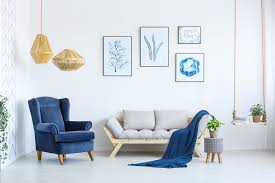
Minimalism has become one of the most influential design trends of the past decade, and it continues to grow in popularity as more homeowners seek calm, uncluttered, and functional living environments. At its core, minimalism embraces the idea that “less is more,” focusing on simplicity, clean lines, and purposeful design choices. But minimalism does not mean empty rooms or boring spaces. Instead, it’s about curating the right furniture pieces that balance elegance, comfort, and practicality.
Here are the top trending furniture designs currently shaping minimalist homes—and how they can elevate the visual appeal and functionality of your living space.
1. Sleek Multifunctional Furniture
One of the strongest trends in minimalist interior design today is the rise of multifunctional furniture. Because minimalism values a clutter-free environment, pieces that serve multiple purposes naturally align with this philosophy.
Examples include:
-
Sofa beds with hidden storage
-
Expandable dining tables
-
Coffee tables that convert into work desks
-
Modular shelves that can be rearranged as needed
These pieces allow homeowners to maximize space while keeping the room visually light. Not only do these designs reduce the need for extra items, but they also support a modern lifestyle where flexibility is essential—especially for people working from home or living in smaller urban spaces.
2. Neutral and Earth-Toned Color Palettes
Minimalist furniture trending in 2025 leans heavily on neutral palettes such as white, beige, oatmeal, gray, and muted browns. These tones create a sense of serenity and openness, making a home feel more spacious.
However, the trend is shifting toward warmer neutral shades, inspired by nature and organic materials. Soft clay, sand, olive, and warm taupe are becoming popular choices, as they bring a cozy yet clean atmosphere.
Pairing these neutral-toned furniture pieces with natural textures—like wool, linen, wood, and stone—adds depth without compromising the minimalist style.
3. Clean Lines and Geometric Shapes
Minimalist furniture is known for its sharp, clean lines and well-defined silhouettes. In 2025, geometric influences are even more prominent, especially in:
-
Rectangular or oval dining tables
-
Sleek platform beds
-
Square-edge cabinets
-
Rounded plush armchairs that balance sharp architectural elements
This geometric simplicity creates a harmonious flow throughout the home while maintaining visual interest. The lack of ornate detailing gives each piece a timeless quality, ensuring the design remains stylish even years later.
4. Low-Profile Furniture Designs
Another growing trend in minimalist homes is low-profile furniture. These pieces sit closer to the ground, giving a modern, airy appearance. Low-profile sofas, platform beds, and minimalistic benches help create an illusion of higher ceilings and larger spaces.
This design trend has origins in Japanese minimalism, where simplicity and harmony with the surrounding environment are essential. Incorporating low-profile furniture can create a calming atmosphere that encourages relaxation and mindfulness.
5. Natural Wood and Organic Materials
Minimalism is shifting toward warm minimalism, and natural wood is at the center of this trend. From oak and ash to walnut and birch, wood furniture adds texture, warmth, and a touch of nature to minimalist spaces.
Beyond wood, other organic materials are also trending:
-
Rattan and wicker accents
-
Linen or cotton upholstery
-
Stone tabletops
-
Ceramic and clay decor
These materials soften the clean lines of minimalist furniture, creating a balanced blend of simplicity and comfort.
6. Open-Frame Furniture for Airy Spaces
Modern minimalist homes prioritize open, breathable spaces. To achieve this feeling, designers have introduced open-frame furniture with exposed legs and lightweight structures.
Some examples include:
-
Slim-legged dining chairs
-
Metal or wooden open shelves
-
Floating TV stands
-
Cantilevered stools or side tables
Open-frame designs reduce visual clutter and allow more light to pass through the room, making the space feel uncluttered and spacious.
7. Built-In and Custom Storage Solutions
Hidden storage is a must-have for maintaining a minimalist home. As a result, built-in furniture is trending more than ever. This includes:
-
Wall-mounted storage systems
-
Built-in wardrobes
-
Floating shelves
-
Under-stair cabinets
-
Integrated desk-and-shelf combos
Custom-built solutions help personalize a space, ensuring every inch is used efficiently. The goal is to keep belongings out of sight while maintaining a clean, organized environment.
8. Sculptural Accent Furniture
Even minimalist homes need a statement piece. The latest trend includes sculptural furniture that serves as functional art.
Popular sculptural items include:
-
Curved lounge chairs
-
Asymmetrical coffee tables
-
Abstract side tables
-
Wavy or rounded mirrors
-
Bold, oversized lighting fixtures
These pieces become focal points without overwhelming the simplicity of the room.
Minimalist home design is evolving, blending simplicity with warmth, function with style, and organization with comfort. The current trends—such as multifunctional furniture, neutral earthy palettes, geometric lines, natural materials, and thoughtful built-in storage—reflect modern lifestyles and a desire for balanced living spaces.
By choosing the right furniture pieces, you can create a minimalist home that feels spacious, sophisticated, and welcoming. The key is intentionality: every item should have a purpose and contribute to the harmony of the space.