
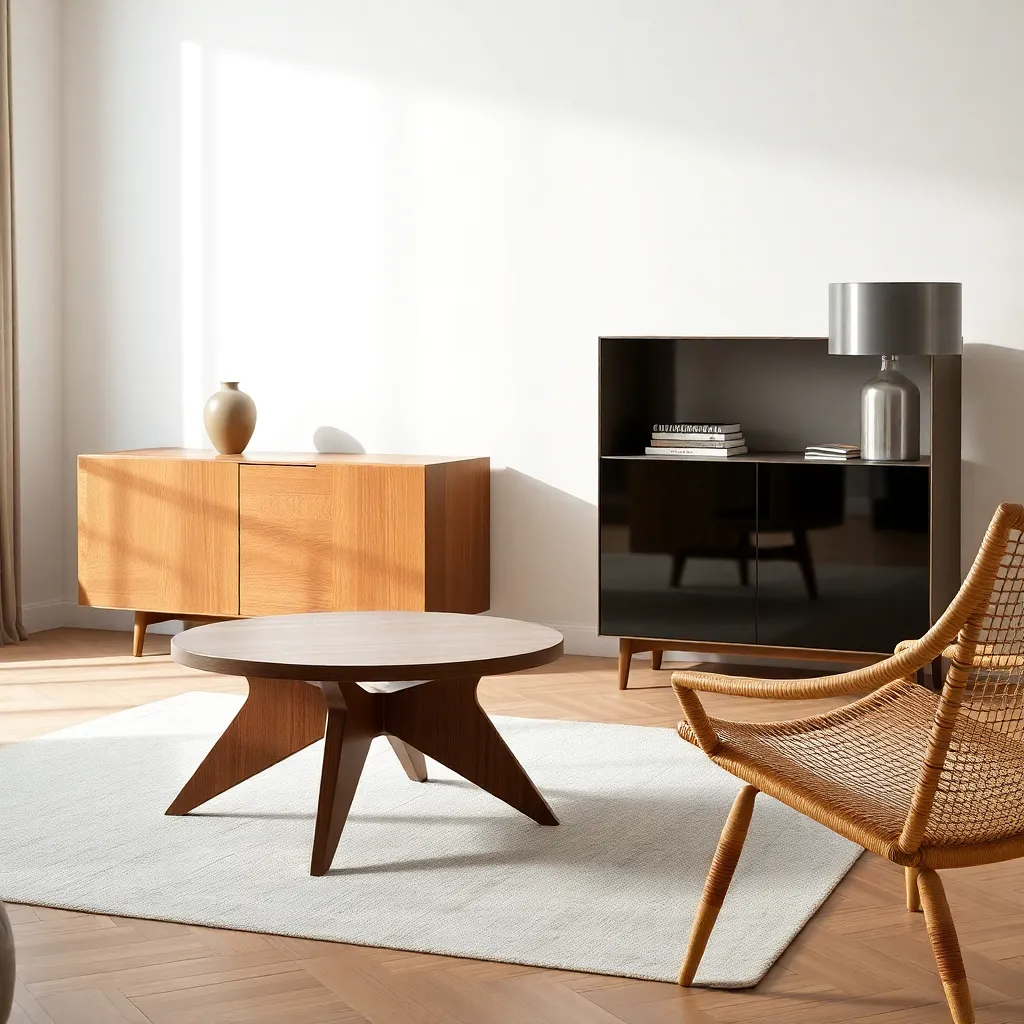
Furniture is more than just function — it’s about feeling, personality, and style. The surface finish and texture of a piece can completely transform its visual impact, tactile experience, and even its longevity. Whether it’s the glossy shine of lacquer, the natural warmth of wood grain, or the smooth coolness of metal, finishes and textures play a vital role in defining the mood and quality of any interior.
Understanding furniture finishes and textures helps homeowners, designers, and enthusiasts make better decisions — not only about aesthetics but also durability and maintenance. Let’s explore the world of furniture surfaces and how they shape our living spaces.
What Are Furniture Finishes?
A furniture finish is the final layer applied to the surface of furniture to protect it and enhance its appearance. Finishes can dramatically change the color, sheen, and feel of a material. They also serve practical purposes such as resisting moisture, scratches, or UV damage.
Common types of finishes include paint, lacquer, varnish, oil, wax, polyurethane, and stain. Each has its own look, texture, and level of protection.
-
Paint: Offers a solid color finish, great for giving old furniture a fresh look. It hides natural grain but allows bold customization.
-
Stain: Enhances natural wood patterns, making the grain more visible. Available in various tones from light oak to deep walnut.
-
Lacquer: Creates a smooth, high-gloss finish that feels modern and refined, often used on contemporary furniture.
-
Oil and Wax: Bring out the organic beauty of wood while maintaining a natural, matte look. Perfect for rustic or Scandinavian styles.
-
Polyurethane or Varnish: Provide durable, water-resistant protection ideal for furniture that faces daily use, such as tables and cabinets.
The right finish not only protects furniture but also defines its character — sleek, vintage, luxurious, or casual.
Exploring Textures: Touch and Emotion in Design
While finishes focus on protection and color, texture deals with how a surface feels and looks. Textures influence both the aesthetic and emotional appeal of a space. For instance, a rough, matte surface feels organic and cozy, while a smooth, polished one exudes elegance and modernity.
Here are some of the most common texture types in furniture design:
-
Natural Wood Grain: Offers warmth and authenticity, perfect for rustic, industrial, or Scandinavian interiors.
-
Smooth Glossy Surfaces: Reflect light beautifully, adding sophistication to modern or minimalist spaces.
-
Matte Finishes: Absorb light, reducing glare and creating a soft, understated look.
-
Brushed Metal: Common in modern and industrial furniture, giving a clean yet rugged feel.
-
Woven and Fabric Textures: Found in upholstered furniture, these add comfort, depth, and visual softness to interiors.
Designers often mix textures to create visual balance. For example, combining a matte wood table with glossy metal legs or a glass top with a textured rattan base introduces contrast and sophistication.
Choosing the Right Finish and Texture
When selecting finishes and textures, consider three main factors: style, functionality, and maintenance.
-
Style and Mood
Finishes and textures contribute to the atmosphere of a room. Glossy surfaces suit modern, luxurious interiors, while matte or raw finishes fit rustic or natural designs. Combining contrasting textures — such as polished glass with rough wood — can make a space more dynamic. -
Functionality and Durability
Finishes should align with how furniture is used. Dining tables and kitchen counters benefit from water- and scratch-resistant finishes like varnish or polyurethane. In contrast, decorative pieces may use delicate finishes like wax or oil for visual appeal. -
Maintenance
Some finishes require regular care. Oiled wood, for instance, needs reapplication to maintain its natural glow, while lacquered surfaces may need gentle cleaning to avoid dullness. Understanding maintenance requirements ensures your furniture remains beautiful for years.
The Role of Technology in Modern Finishes
Modern furniture finishes are not just about aesthetics — they’re becoming smarter and more sustainable. Manufacturers now use eco-friendly coatings with low VOC (volatile organic compound) emissions, reducing environmental impact and improving indoor air quality.
Advancements in nano-coatings and UV-cured finishes make surfaces more resistant to stains, fingerprints, and wear. These technologies extend the lifespan of furniture while maintaining an elegant look.
Some designers are even experimenting with self-healing materials, where minor scratches disappear over time, and antimicrobial finishes that enhance hygiene — ideal for kitchens and shared spaces.
Blending Finishes and Textures for Impact
One of the biggest trends in interior design today is mixing textures and finishes to create depth and interest. A single tone or surface can feel flat, but when combined thoughtfully, it brings personality to the room.
For example:
-
Pairing polished marble with matte wood balances elegance and warmth.
-
Mixing metallic finishes with woven fabrics adds both shine and comfort.
-
Using glossy lacquered surfaces beside rough concrete creates a modern, industrial aesthetic.
By blending contrasting materials, you can achieve harmony — a look that feels intentional, balanced, and visually engaging.
Understanding furniture finishes and textures is essential for anyone who values both style and practicality in interior design. Finishes protect and define the look of furniture, while textures bring emotion, warmth, and tactile appeal. Together, they shape how we experience a space — not just visually, but through touch and atmosphere.
From glossy lacquers to natural wood grains and brushed metals, every surface tells a story. The right combination of finishes and textures can transform any interior into a space that feels refined, inviting, and