
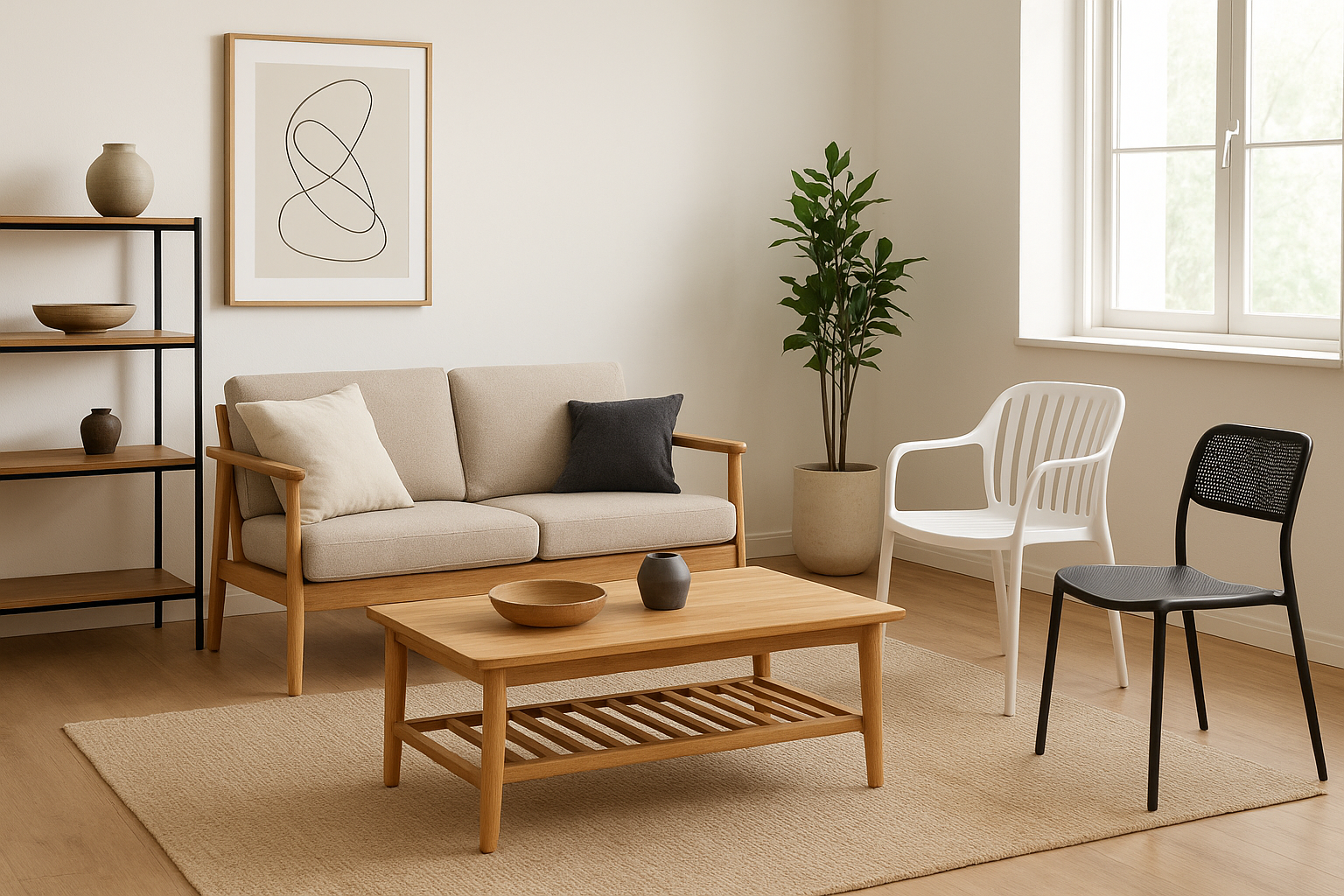
When choosing furniture for your home or office, one of the most important decisions revolves around the material. Beyond aesthetics, the material determines durability, maintenance, comfort, and even environmental impact. Among the most popular options — wood, metal, and plastic — each comes with distinct strengths and weaknesses. Understanding these characteristics helps you make an informed decision about which type will stand the test of time.
Let’s explore how each material performs in terms of longevity, maintenance, and practical value.
1. Wooden Furniture: Timeless and Durable
Wood has been used for centuries and remains a favorite for its natural beauty, warmth, and strength. From elegant oak tables to minimalist pine shelves, wooden furniture brings character and sophistication to any space.
Durability
High-quality solid wood furniture — especially made from hardwoods like oak, teak, mahogany, or walnut — can last for generations. These woods resist wear, hold weight well, and often look better with age. In contrast, softwoods such as pine or cedar are less dense and more prone to dents and scratches, though they still offer decent longevity with proper care.
Maintenance
Wood requires regular upkeep to maintain its beauty. Polishing, oiling, and cleaning are essential to prevent cracking or warping. Exposure to excessive humidity or dryness can cause wood to expand or shrink, affecting its structure. However, if cared for properly, wooden furniture can easily last 20 to 50 years — or even longer.
Aesthetic Appeal
One major reason homeowners choose wood is its timeless look. Each grain pattern is unique, and finishes can range from rustic to modern. Unlike other materials, wood can be refinished or repaired, making it both durable and renewable.
Verdict on Wood
If maintained correctly, wooden furniture is among the longest-lasting materials. It’s ideal for those who value natural aesthetics and are willing to invest time in care and maintenance.
2. Metal Furniture: Strength and Longevity Combined
Metal furniture has gained popularity for its industrial charm and incredible strength. From stainless steel bed frames to aluminum patio chairs, metal offers both style and stability.
Durability
When it comes to structural integrity, metal is unmatched. It resists cracking, splitting, and warping — problems that commonly affect wood and plastic. Steel and iron furniture are particularly strong, often lasting 50 years or more. Aluminum, though lighter, is also highly resistant to rust and corrosion, making it perfect for outdoor use.
Maintenance
Metal furniture requires minimal upkeep. Most metals come with protective coatings or paint to prevent rust. Occasional cleaning and touch-ups are usually sufficient. However, cheaper or untreated metals may corrode if exposed to moisture for long periods.
Aesthetic Appeal
Metal furniture offers a sleek, modern look that complements contemporary interiors. It’s often combined with wood or glass for a stylish hybrid design. While metal lacks the warmth of wood, it delivers a clean, sophisticated aesthetic that appeals to modern tastes.
Verdict on Metal
Metal furniture is extremely durable and requires little maintenance. It’s an excellent choice for both indoor and outdoor use, especially if you value longevity and a modern appearance.
3. Plastic Furniture: Lightweight and Affordable
Plastic furniture has evolved significantly in recent years, becoming a go-to option for affordable and portable furnishing. Made from materials like polypropylene or polycarbonate, today’s plastics can mimic the look of wood or metal while remaining cost-effective.
Durability
While plastic furniture is resistant to moisture, rust, and termites, it doesn’t offer the same long-term durability as wood or metal. Over time, exposure to sunlight and temperature changes can cause plastic to fade, crack, or become brittle. Even with high-quality polymers, the lifespan is generally 5 to 15 years, depending on usage and exposure.
Maintenance
Plastic furniture requires almost no maintenance — simply wipe it clean with a damp cloth. It’s also easy to move and stack, making it ideal for temporary or outdoor setups. However, once damaged, plastic furniture is difficult to repair, often needing full replacement.
Aesthetic Appeal
Thanks to modern design techniques, plastic furniture is available in a wide range of colors, shapes, and finishes. However, it still lacks the premium feel of natural wood or the sophistication of metal. It’s most often used in casual, outdoor, or minimalist settings.
Verdict on Plastic
Plastic furniture wins in terms of cost and convenience, but it’s the least durable of the three. It’s best suited for temporary or budget-conscious furnishing solutions.
Which Material Truly Lasts Longest?
If longevity is your main concern, here’s a quick comparison:
| Material | Average Lifespan | Maintenance Level | Ideal For |
|---|---|---|---|
| Wood | 20–50+ years | Moderate to High | Classic, cozy interiors |
| Metal | 30–70+ years | Low | Modern or outdoor spaces |
| Plastic | 5–15 years | Very Low | Budget or temporary setups |
In short:
-
Metal lasts the longest with the least maintenance.
-
Wood offers natural beauty and long-term potential if properly cared for.
-
Plastic is practical and affordable but lacks endurance.
Choosing between wood, metal, and plastic furniture depends on your lifestyle, aesthetic preferences, and willingness to maintain your pieces. For timeless appeal and a balance of durability and beauty, wooden furniture remains a classic choice. If you prioritize strength and minimal maintenance, metal furniture is unbeatable. For lightweight, low-cost options, plastic furniture serves as a convenient solution.
Ultimately, the best furniture isn’t just about what lasts longest — it’s about finding the right material that suits your space, budget, and personality.