
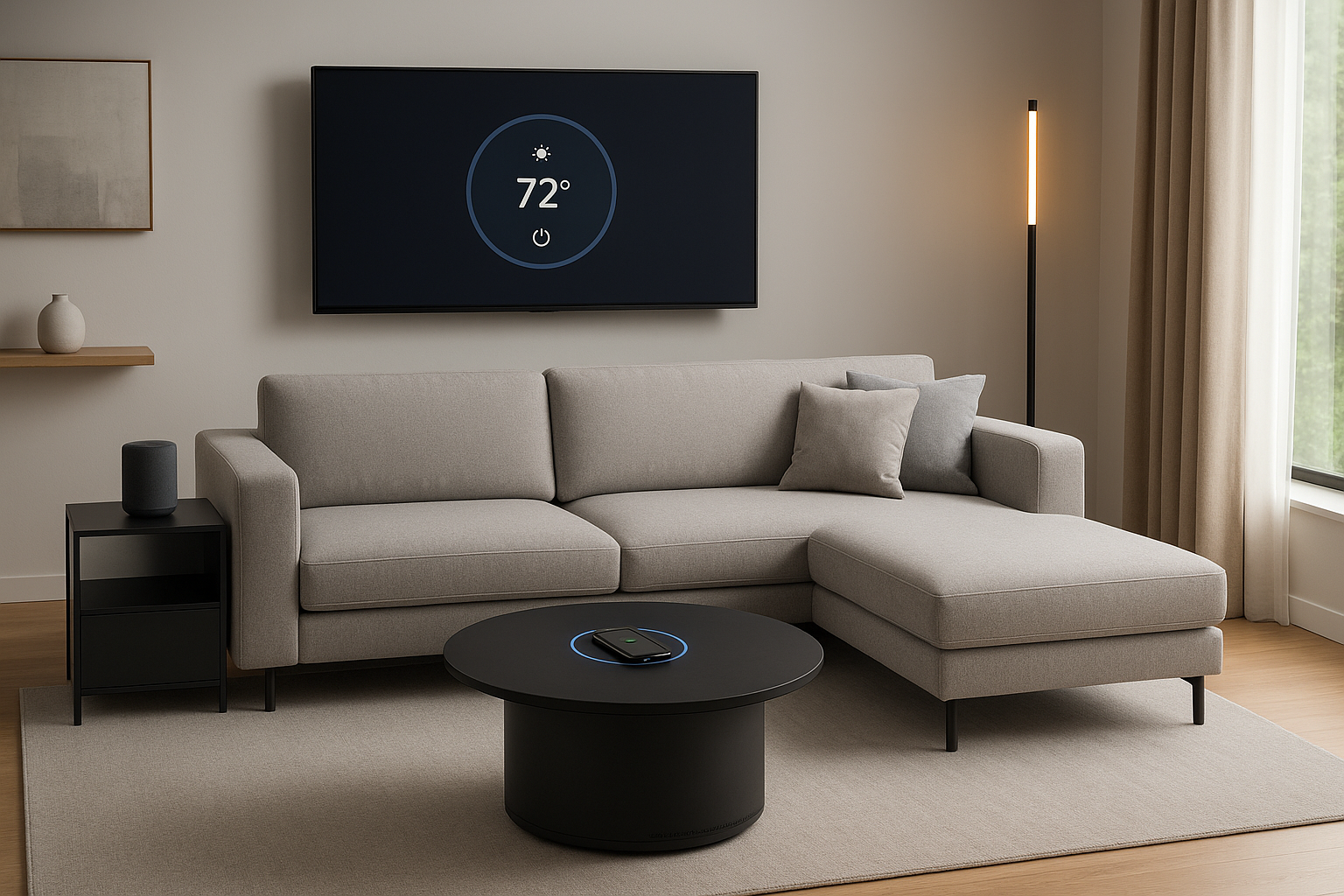
The concept of “smart living” is no longer limited to smartphones, appliances, or home automation systems. In the modern era, technology has found its way into every corner of the home — including furniture. Smart furniture is redefining how we live, work, and relax, blending intelligent design with digital innovation to create homes that are more comfortable, efficient, and connected than ever before.
As our lives become increasingly digital, furniture is evolving to meet the needs of a tech-savvy generation. From beds that track your sleep quality to desks that adjust automatically to your posture, smart furniture is transforming modern homes into spaces of seamless interaction between humans and technology.
What Is Smart Furniture?
Smart furniture refers to home furnishings integrated with advanced technology that enhances functionality, comfort, and user experience. Unlike traditional furniture, these pieces often include built-in sensors, connectivity features, or automation systems.
The core idea behind smart furniture is convenience. It simplifies daily routines, promotes wellness, and optimizes space — all while adding a futuristic touch to home interiors. Whether it’s a sofa with built-in speakers or a table that wirelessly charges your phone, smart furniture represents the next step in home innovation.
The Rise of the Connected Home
The rise of smart furniture is part of the broader Internet of Things (IoT) movement — the network of devices communicating with each other through the internet. In a connected home, smart furniture interacts with other smart devices, creating an intelligent ecosystem where lighting, temperature, entertainment, and comfort can be managed with voice commands or smartphone apps.
Imagine a scenario: you walk into your living room, and your smart recliner adjusts to your preferred angle, the lighting dims automatically, and your favorite playlist starts playing — all without lifting a finger. This seamless integration is no longer science fiction; it’s quickly becoming reality.
Popular Types of Smart Furniture
1. Smart Beds
Smart beds have gained popularity for their health and comfort benefits. They can monitor your sleep patterns, heart rate, and breathing, then provide insights to help you rest better. Some models can even adjust mattress firmness or temperature to match your sleep phase. For couples, certain beds feature dual-zone settings, allowing each person to customize their side for maximum comfort.
2. Smart Desks and Workstations
With remote work becoming the norm, smart desks are revolutionizing home offices. Adjustable desks with motorized lifts automatically adapt to your preferred height or remind you to stand after sitting too long. Some even come with wireless charging pads, built-in lighting, and cable management systems — turning work-from-home into a smarter, healthier experience.
3. Smart Sofas and Seating
Comfort meets technology in smart sofas equipped with integrated speakers, USB ports, and even massage functions. Some can be controlled through a smartphone app to adjust recline angles or activate relaxation modes. In small apartments, modular smart sofas can reconfigure themselves or expand to create sleeping space when needed.
4. Smart Tables
Smart tables are both stylish and functional. Many feature wireless charging surfaces, Bluetooth speakers, touch controls, and LED lighting. Some high-end models also have built-in mini refrigerators or hidden storage compartments — ideal for modern entertainment spaces.
5. Smart Storage and Closets
Closets and cabinets are now more than just storage spaces. Smart wardrobes can dehumidify, deodorize, and even iron your clothes using built-in systems. Some use sensors to track your wardrobe inventory and suggest outfits based on the weather or occasion — combining technology with fashion management.
Key Benefits of Smart Furniture
1. Enhanced Comfort and Convenience
Smart furniture simplifies life. Automated adjustments mean you spend less time worrying about comfort and more time enjoying your home. Whether it’s adjusting the lighting intensity or changing bed firmness automatically, technology does the work for you.
2. Space Optimization
Urban living often means limited space. Smart furniture helps maximize efficiency through multifunctional designs. Foldable beds, expandable tables, and modular sofas can adapt to various uses throughout the day — a game changer for studio apartments and compact homes.
3. Health and Wellness Support
Many smart furniture pieces are designed to promote well-being. Desks that encourage movement, mattresses that track sleep cycles, and ergonomic chairs that correct posture are just a few examples of how technology supports healthier living habits.
4. Energy Efficiency
By integrating with smart home systems, furniture can contribute to energy savings. Smart blinds adjust automatically based on sunlight levels, while connected furniture communicates with lighting and HVAC systems to optimize energy use — reducing both bills and environmental impact.
5. Modern Aesthetic Appeal
Beyond practicality, smart furniture looks sleek and futuristic. Its minimalist designs and advanced materials perfectly complement modern interiors, making homes feel both sophisticated and cutting-edge.
Technology Behind Smart Furniture
Smart furniture integrates a combination of sensors, connectivity, and automation technologies. Key innovations include:
-
IoT Connectivity: Enables furniture to sync with smart home systems and mobile devices.
-
AI and Machine Learning: Allows furniture to learn user preferences and adjust automatically.
-
Wireless Charging and Power Management: Provides seamless device charging without clutter.
-
Voice and App Control: Interfaces with voice assistants like Alexa, Google Assistant, or Siri.
-
Embedded Sensors: Monitor motion, temperature, or health data to personalize user experiences.
These technologies work together to create furniture that not only looks good but thinks smart.
Challenges and Considerations
Despite its appeal, smart furniture faces challenges such as high cost, data privacy concerns, and the need for reliable internet connectivity. Additionally, as technology advances rapidly, ensuring long-term compatibility between devices can be difficult.
Another key consideration is maintenance and repairability. Unlike traditional furniture, smart pieces may require software updates or specialized technicians. However, as the market matures, manufacturers are focusing on user-friendly designs and improved durability.
The Future of Smart Furniture
As artificial intelligence and sustainable design continue to evolve, the next generation of smart furniture will be even more intuitive and eco-conscious. Expect to see furniture that can:
-
Automatically adapt to your daily routines.
-
Generate energy through solar materials or kinetic movement.
-
Integrate augmented reality for interior planning.
-
Provide real-time health data through biometric monitoring.
The ultimate goal? To create homes that anticipate your needs and evolve with your lifestyle.
A Smarter Way to Live
Smart furniture represents more than a trend — it’s a revolution in how we experience our homes. It merges comfort, design, and innovation into one seamless living experience. As technology continues to integrate into our everyday lives, furniture will no longer be passive; it will be interactive, responsive, and intelligent.
From smart beds that enhance rest to adaptive desks that boost productivity, the possibilities are limitless. The future of modern living isn’t just connected — it’s smart, stylish, and designed to improve the quality of life in every corner of your home.