
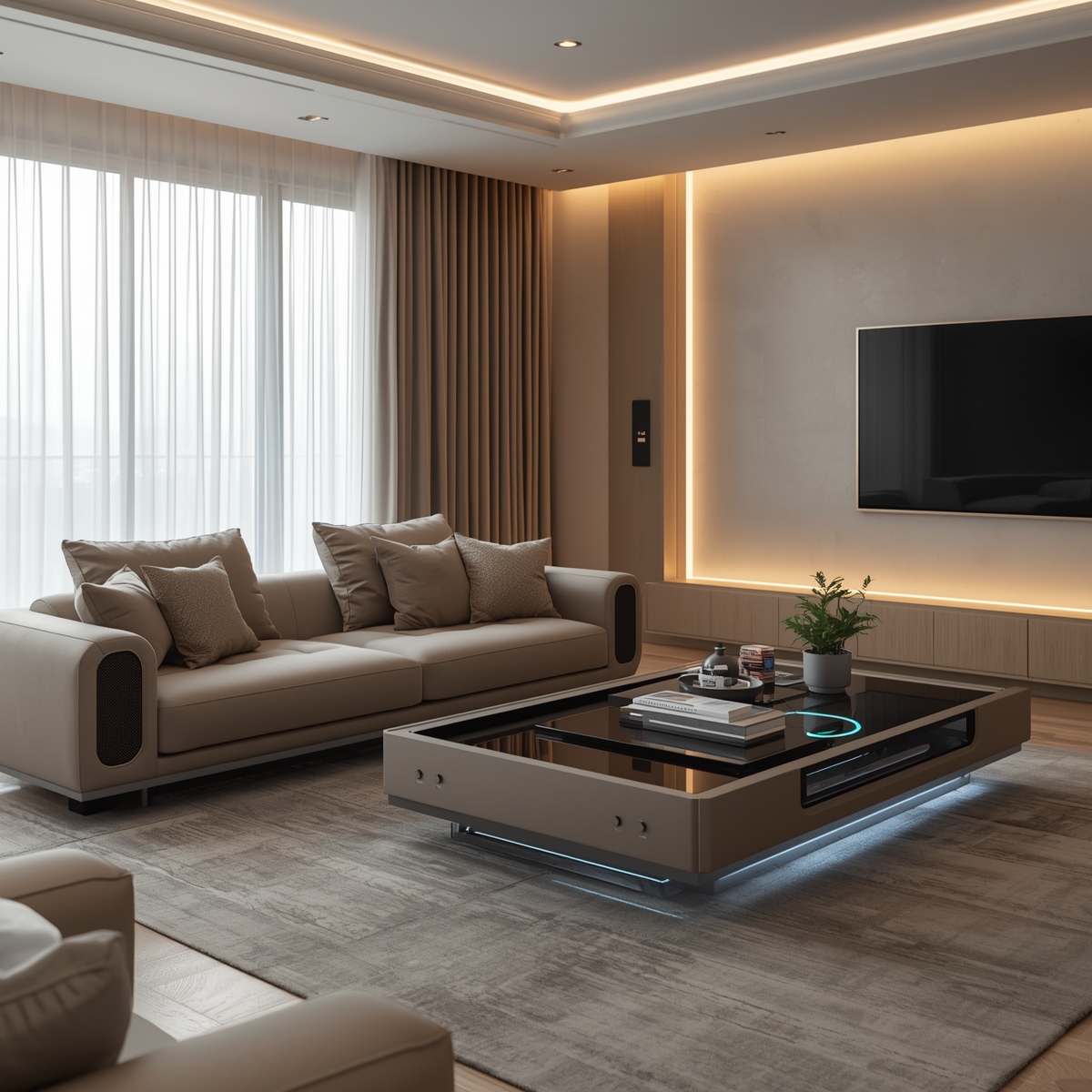
In the age of automation and intelligent design, the concept of smart furniture is rapidly changing how we live, work, and relax at home. As homes become increasingly connected through smart technologies, furniture is evolving from static objects to dynamic, functional, and interactive pieces that enhance comfort, convenience, and sustainability. Smart furniture is not just a passing trend — it’s the next big leap in home innovation.
What Is Smart Furniture?
Smart furniture refers to pieces designed with integrated technology, sensors, or connectivity that interact with users or other smart devices. These furnishings often combine aesthetics with functionality, improving efficiency and user experience. Imagine a sofa that adjusts its firmness to your posture, a desk that tracks your productivity, or a coffee table that doubles as a wireless charging station — that’s smart furniture in action.
Unlike traditional furniture, which serves a single purpose, smart furniture embraces the Internet of Things (IoT) philosophy. It communicates with other devices, responds to voice commands, and adapts to individual preferences. From bedrooms to home offices, every corner of a modern home can benefit from these intelligent designs.
Examples of Smart Furniture in Today’s Homes
-
Smart Desks – Designed for hybrid work environments, smart desks can automatically adjust height, monitor sitting time, and even remind users to take breaks. Some come with built-in wireless chargers, USB ports, and app integration for better posture tracking.
-
Connected Sofas and Recliners – Furniture brands now offer sofas with built-in speakers, temperature controls, and massage features that sync with smart home assistants like Alexa or Google Home.
-
Smart Beds – Sleep-tracking mattresses monitor your heart rate, sleep cycle, and temperature, then adjust firmness or elevation accordingly. Some can even wake you up gently with a vibration instead of an alarm.
-
Smart Tables – Coffee tables with touchscreen surfaces, built-in mini-fridges, or charging pads are becoming popular in tech-savvy homes.
-
Voice-Activated Lighting and Furniture Integration – Desks or bedside tables embedded with smart lighting can respond to voice commands or change colors depending on time of day and mood.

Benefits of Smart Furniture
The growing popularity of smart furniture is driven by three main benefits: convenience, efficiency, and sustainability.
-
Convenience: With automation and remote control features, users can easily adjust furniture settings via mobile apps or voice assistants. This seamless integration enhances daily comfort and simplifies multitasking.
-
Efficiency: Smart furniture saves time and space. For example, modular smart storage systems optimize layout automatically, while smart desks improve productivity through ergonomic feedback.
-
Sustainability: Many smart furniture products are energy-efficient and use eco-friendly materials. Some even monitor energy usage, helping users reduce their carbon footprint.
Moreover, smart furniture supports inclusive design — making homes more accessible for the elderly or disabled. Adjustable beds, height-changing tables, and voice-controlled lighting can dramatically improve independence and comfort for all users.
The Role of Artificial Intelligence
Artificial intelligence (AI) is a key driver in smart furniture innovation. AI-powered systems can learn user habits and preferences to deliver personalized experiences. For instance, an AI-enabled chair might recognize your posture and make micro-adjustments for optimal spinal alignment. Similarly, AI integration allows predictive maintenance, alerting owners when a component needs repair or replacement.
In the near future, AI could enable smart furniture to act as a wellness companion — tracking health data, managing indoor environments, and providing lifestyle insights. This fusion of design and technology will transform how people interact with their living spaces.
Challenges and Future Outlook
Despite the excitement, smart furniture still faces challenges such as high costs, data privacy concerns, and limited compatibility across platforms. However, as technology becomes more affordable and standardization improves, adoption will grow rapidly.
The global smart furniture market is expected to expand significantly over the next decade, driven by urbanization, remote work trends, and consumer demand for convenience. Manufacturers are now prioritizing minimalist yet tech-driven designs that blend seamlessly into modern interiors.
In the next few years, we can expect modular smart systems that allow users to upgrade components — like adding sensors or integrating new AI features — without replacing the entire piece. This modularity ensures longevity and sustainability, reducing waste while keeping homes at the forefront of innovation.
Conclusion
Smart furniture is redefining what it means to live in a “smart home.” It’s not only about luxury or technology — it’s about creating spaces that adapt, support, and enhance our daily lives. As AI, IoT, and sustainable design continue to merge, our living environments will evolve into intelligent ecosystems that respond intuitively to our needs.
The next big thing in home design isn’t just smart homes — it’s smart living, powered by furniture that thinks, learns, and grows with us.