
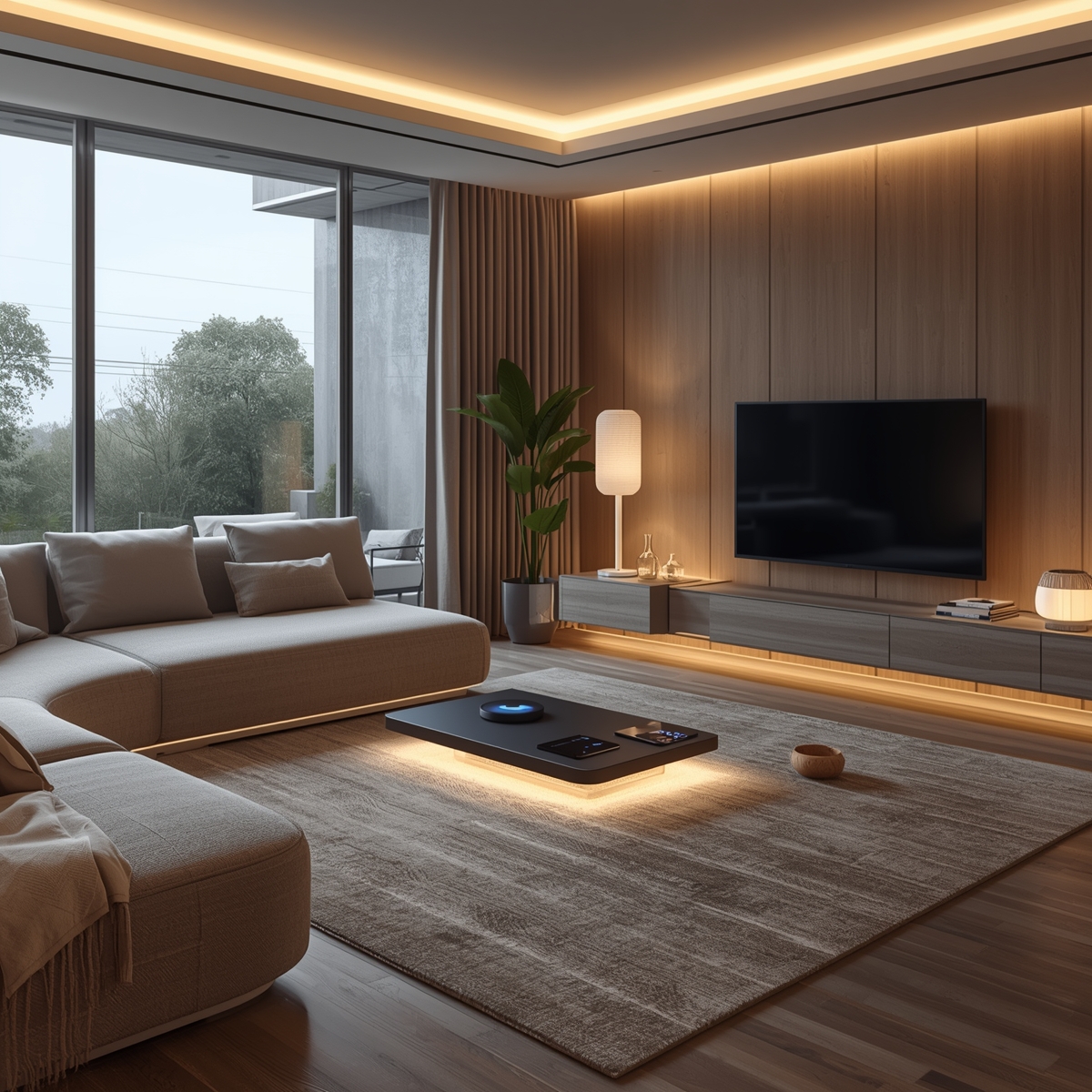
As technology continues to transform how we live, work, and interact with our environment, our homes are becoming smarter than ever before. From intelligent lighting and connected appliances to voice-controlled assistants, the modern smart home is no longer just a concept — it’s a reality. Among the most exciting developments in this space is the rise of smart furniture, an innovation that blends design, functionality, and technology to redefine modern living.
What Is Smart Furniture?
Smart furniture refers to furniture pieces that integrate digital technology, sensors, and connectivity features to make everyday life easier and more efficient. These products go beyond aesthetics — they’re interactive, adaptive, and often powered by artificial intelligence or Internet of Things (IoT) systems.
Imagine a sofa that adjusts its firmness automatically, a desk that reminds you to stretch, or a bed that monitors your sleep and gently wakes you up at the perfect time. These are no longer futuristic ideas; they’re part of the growing ecosystem of intelligent furniture designed for modern smart homes.
Smart furniture seamlessly connects with other devices — from smartphones to voice assistants like Alexa and Google Home — creating a personalized environment that anticipates and responds to your needs.
Key Features and Examples
-
Smart Desks
With remote work and hybrid offices becoming the norm, smart desks have gained popularity. They can automatically adjust height, track sitting time, and sync with health apps to promote better posture. Some even include built-in wireless charging pads and ambient lighting controls. -
Smart Beds
Modern beds can track sleep cycles, heart rate, and breathing patterns. Using this data, they adjust mattress firmness or temperature to improve sleep quality. Many also feature gentle wake-up vibrations or lighting to replace traditional alarms. -
Connected Sofas and Recliners
Entertainment-focused furniture like smart recliners now comes equipped with Bluetooth speakers, cup warmers, and voice-activated settings. These features create the perfect movie night setup, all controlled from your phone or voice commands. -
Smart Tables
From coffee tables with embedded touchscreens to side tables with built-in wireless chargers, these innovations add both function and style. Some models even feature mini-coolers or LED mood lighting. -
AI-Integrated Chairs
Smart office chairs equipped with pressure sensors and AI algorithms can detect posture issues and offer real-time feedback. They’re ideal for remote workers seeking ergonomic support.

The Benefits of Smart Furniture
The appeal of smart furniture goes beyond convenience — it’s about creating a living environment that enhances comfort, wellness, and sustainability.
-
Enhanced Comfort and Efficiency:
Smart furniture saves time by automating small tasks. You can charge your phone, control lighting, or even adjust room temperature without getting up. -
Health and Wellbeing:
With sensors that track posture, sleep quality, and air conditions, smart furniture promotes better physical and mental health. It encourages healthier routines by providing real-time insights. -
Space Optimization:
Smart, modular furniture can adapt to different living spaces. Foldable or extendable designs with built-in storage make even small apartments feel spacious. -
Sustainability:
Many smart furniture manufacturers are integrating eco-friendly materials and energy-efficient components. By tracking energy consumption and promoting efficient use, these products align with sustainable living goals. -
Aesthetic and Functionality Combined:
Unlike traditional gadgets, smart furniture doesn’t compromise on style. It blends technology with beautiful, minimalist designs that fit seamlessly into any décor.
Challenges and Considerations
Despite its growing appeal, smart furniture faces challenges that could slow its widespread adoption. The most significant include high costs, data privacy concerns, and compatibility issues between devices from different brands.
Additionally, as furniture becomes more tech-integrated, maintenance and software updates become part of the ownership experience — something that traditional furniture buyers may find unfamiliar. However, as technology becomes more affordable and standardization improves, these challenges are expected to fade.
The Future of Smart Furniture
The next wave of innovation in smart furniture will focus on AI-driven personalization and sustainability. Future designs may use AI to learn user preferences over time — adjusting lighting, posture, or temperature automatically. Smart materials that repair minor scratches or adjust to environmental changes are already being researched.
We’ll also see increased integration with smart ecosystems, allowing furniture to communicate directly with other devices in your home. For instance, your smart desk might dim nearby lights when you start a video call, or your bed could sync with a thermostat to maintain the ideal sleeping temperature.
In the long term, modular smart furniture could become a sustainable standard — allowing users to upgrade specific components (like sensors or chargers) without replacing the entire piece.
Conclusion
Smart furniture represents the next evolution in home design — a perfect blend of intelligence, style, and sustainability. As homes become more connected, furniture will no longer be static or purely decorative; it will be interactive, adaptive, and supportive of our lifestyles.
Whether it’s a bed that ensures you wake up refreshed, a desk that keeps you productive, or a chair that protects your posture, smart furniture is transforming how we live. It’s not just about technology — it’s about creating a smarter, more comfortable, and more human home environment.
The future of living is already here — and it’s smart, stylish, and seamlessly connected.